
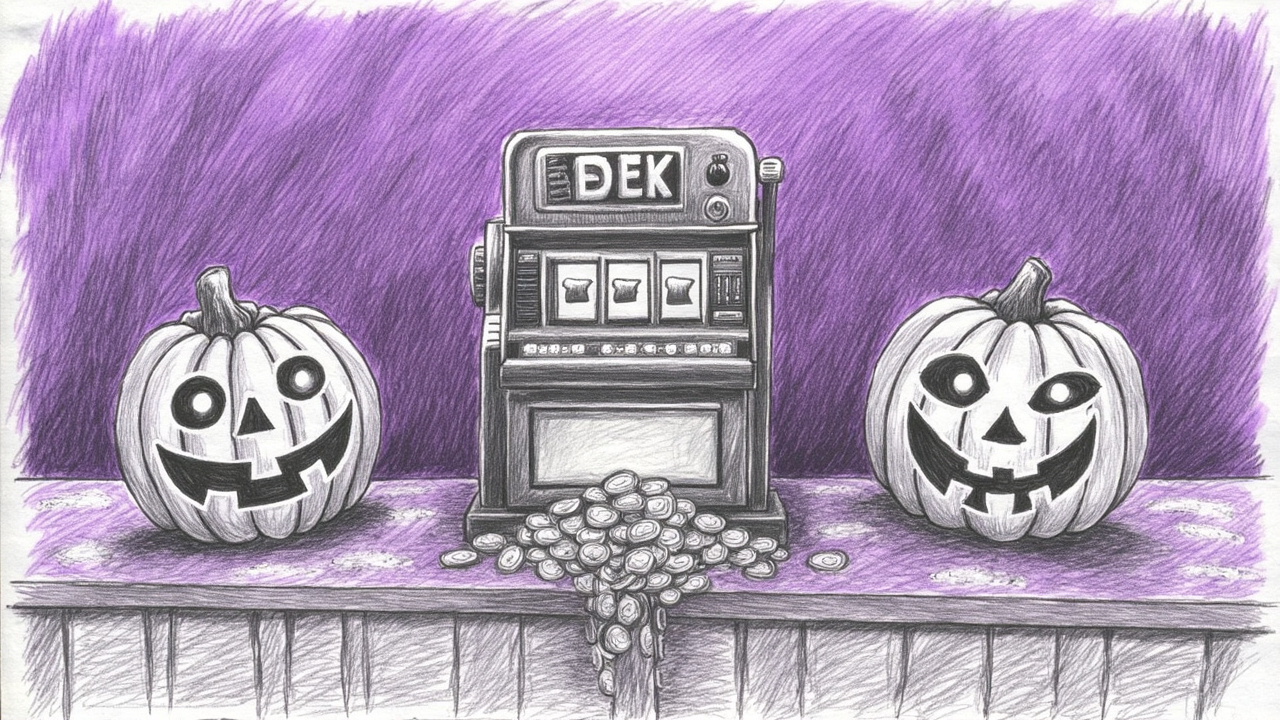
When a machine pays out, it is the count room staff who tally the cash under heavy security, a reminder that every spin sits inside a tightly audited system. The same discipline should shape how we judge pokies with a guild reward system, because the mechanics behind group bonuses need the same scrutiny we apply to any live floor. I have spent years building Slot Designer to model complex slot mathematics, and that background informs how I read these platforms: a guild bonus only works when the underlying maths is transparent and the account controls are genuine. That is the lens I use here, weighing the strengths of a shared reward structure against the real conditions and trade-offs you face as a player.
Crown Melbourne is one of the largest casino complexes in the Southern Hemisphere, and the scale there shows why group play feels appealing when you are sharing a quiet arvo with mates. A pokies with guild reward system can pool small contributions into a shared bonus, letting a table or lobby work toward a collective prize rather than each person chasing an isolated payout. The attraction is real when the pool is clearly defined, the contribution rules are plain, and the payout split is written down instead of buried in fine print. The trade-off is that a shared pool can slow individual progress, and a bonus that depends on group activity may sit idle if the lobby goes quiet. I model those patterns in my tools before I would trust any claim about expected value, because a guild bonus is only as useful as the rules that govern it. If you want to see how a demo lobby presents its reward tiers before you register, you can browse https://lebanditdemoau.com/ and check whether the group targets are stated in plain language.
A guild reward structure also needs to fit the way people actually play, not just the way a marketing page describes it. I have watched a Brisbane gaming group try a shared bonus over a long weekend, and the room went busy as the roster filled, but the pool stalled when two members stepped away and the remaining players had to cover the full contribution. That kind of friction is normal, and it is why I look for platforms that let a guild adjust targets without resetting the entire bonus. The strongest setups I have seen keep the reward tied to measurable play, set a sensible cap on how much a single session can contribute, and publish the timing so no one is guessing when the pool closes. The weaker setups lean on vague language about “community milestones” and leave the split undefined, which is where the real risk sits. A clear licence on the platform matters here too, because a shared bonus should sit inside a regulated environment with proper account controls rather than an offshore setup with no local oversight. 5
The maths behind any group bonus deserves the same attention as the visuals on the screen. I build tools that let me test how a guild reward interacts with base volatility, and the result is usually straightforward: a shared bonus can smooth out short sessions, but it does not change the underlying return pattern of the machine itself. If you want a clearer read on how multi-line setups behave before you join a guild pool, it helps to read a short explainer on 5 reel slot odds and play style, because understanding the base game makes the group bonus easier to judge. A guild reward should be treated as a side structure, not a way to rewrite the probabilities of the pokies you are playing. That distinction matters when a platform presents the bonus as if it lifts the machine’s edge, because it does not. What it can do is give a group a shared target, and that target is only useful when the rules are consistent, the timing is clear, and the platform keeps the bonus separate from the base game’s maths.
Trust and support are where a pokies with guild reward system either earns its place or loses it. A platform that handles a shared bonus well will give you proper account controls, a clear privacy stance, and a support team that can answer a specific question about how the pool is calculated rather than sending you in circles. I think about this the way Lachlan Henderson, Head of Analytics, Southern Capital Advisory, frames it: “A group bonus is only defensible when the platform can show how each contribution is recorded and how the split is applied, because anything less is just noise dressed up as a reward.” That is the standard I use when I weigh these systems, and it is why I look for registration that asks for proper identity checks, payments that use recognised currencies, and mobile access that does not hide the bonus terms behind a compressed screen. The platforms that hold up are the ones that treat a guild reward as a measured feature with limits, not as a vague promise.
Glossary

- Guild reward system: a shared bonus structure where a group contributes toward a collective target or pool.
- Base volatility: the way a pokie’s payouts are spread over time, separate from any bonus.
- Contribution cap: a limit on how much a single session or player can add to a group bonus.
- Account controls: the tools that let a player set limits, verify identity, and manage privacy on a platform.
A pokies with guild reward system can be worth your time when the rules are written plainly, the maths is kept separate from the bonus claim, and the platform gives you real account controls and support. The strengths sit in the shared target and the social rhythm of a lobby working together, but the limits are just as real: a quiet group stalls the pool, vague terms weaken the bonus, and no shared reward changes the underlying odds of the machines you play. Treat the guild layer as a measured feature, check the licence and support before you register, and keep your play within the limits you set for yourself.